Healthcare Product Packaging Materials Explained
Due to the sensitive nature of what it contains, healthcare product packaging is more complex than standard consumer packaging. Choosing the right materials is critical for ensuring these products remain safe and convenient to use. This is true not only because consumers need to have faith in the brand, but also because the brands are under intense regulatory scrutiny. The right labeling and packaging has a huge impact on the safety, usability, and trustworthiness of healthcare products, and that means brands must take care when making plans in that regard.
Some of the most common healthcare packaging materials used in the industry include:
Depending on the application, certain materials may be better-suited than others. For example, labels for bottles containing liquids may benefit from being printed on laminates because they are resilient against moisture. Foils may work better for tamper-evident labeling that leaves behind a residue because the shiny material makes them more noticeable. Working with an experienced partner ensures the best fit for the specific use case.
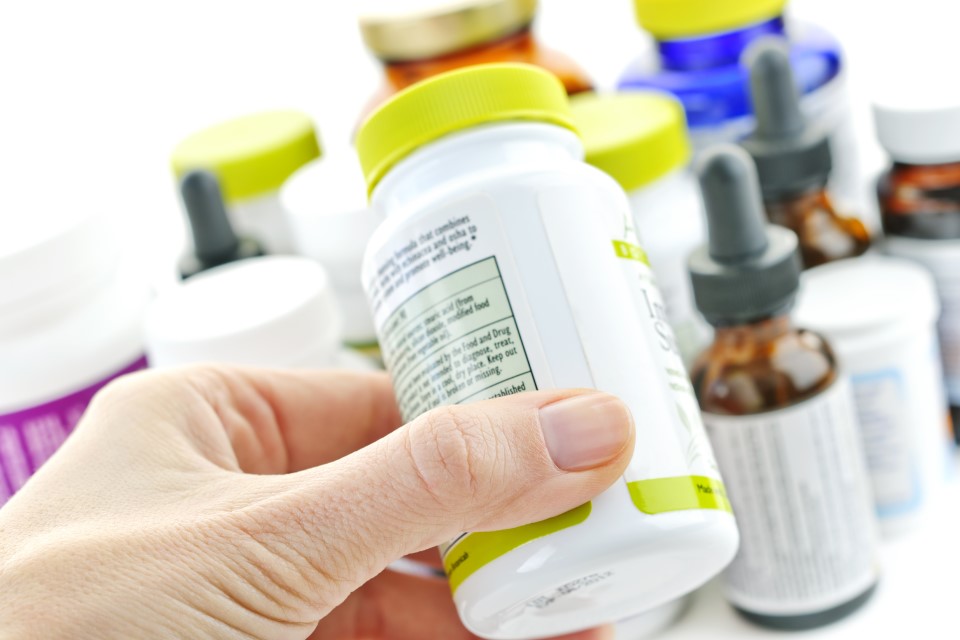
No matter what type of material they’re printed on, pressure-sensitive labels are critical components of healthcare OTC packaging. These contain essential information such as ingredient lists, dosage instructions, and health and safety warnings. Among the most important qualities of pressure-sensitive labels are:
Neck bands are a type of Shrink Sleeve made with plastic film that encircle the neck of a jar or bottle, covering the cap and preventing it from being opened without removing the film. This is used frequently in the healthcare product sector as a form of tamper prevention, alerting consumers to the fact that the container has been opened once before. This is essential for building trust with consumers, as it provides them with peace of mind that the products they are receiving have not been touched by anyone since they were packaged in the factory.
Flexible packaging made with plastic films is a popular choice for certain products, especially wellness products such as nutritional supplements. This is because flexible packaging is extremely versatile, capable of being formed into sachets or stick packs that easily hold a single dosage of powder or liquid. This maximizes the convenience factor for consumers because they don’t need to measure out each individual dose, and helps maintain freshness by keeping each dose separate from the rest of the product.
It should go without saying that the healthcare sector is subject to extensive regulatory requirements. In addition to FDA standards, manufacturers in the U.S. may be subject to the Federal Hazardous Substances Act (FHSA). This law requires hazardous substances to be clearly labeled and provide users with details on how to safely store them. The classification of hazardous substances may be based on the United Nations’ Globally Harmonized System of Classification and Labeling of Chemicals, as well. To ensure healthcare labeling compliance, manufacturers must maintain thorough documentation for all packaging materials used to meet traceability requirements.
Although many other forms of consumer goods packaging have switched to sustainable materials to reduce the manufacturers’ ecological footprints and appeal to customers, the healthcare industry has other considerations to prioritize. Recyclable and recycled materials may be good from an environmental standpoint, they may not offer the same level of protection and security for the products that are needed.
This is why it’s important to work with a packaging partner who can strike the right balance between sustainability and performance. For example, Premium Label & Packaging Solutions’ PLPS EARTH+® range of sustainable healthcare packaging and labels may fit into certain aspects of a manufacturer’s strategy.
With years of experience serving the industry and cross-solution expertise, PLPS has the flexibility and capability to provide regulated packaging solutions that fit the healthcare sector’s needs. Our numerous certifications, advanced facilities, and comprehensive testing capabilities make us the ideal partner for long-term success whether it’s for clinical trial packaging, Pharmaceutical packaging or OTC healthcare packaging.
Our experts can work closely with your company to determine the healthcare packaging materials and formats that make the most sense for your requirements. We look at product use, distribution, compliance requirements, and lifecycles to ensure the best possible match. To learn more, reach out and speak with a member of our team best suit.
© 2024 Premium Label & Packaging Solutions | PLPS Sales Terms and Conditions