Updated with latest GHS labeling requirements for 2021!
Companies that manufacture, package, distribute, or sell chemical products must ensure their labels meet both Globally Harmonized System (GHS) standards and applicable regulatory requirements. In the United States, that means understanding how GHS requirements for labeling are implemented through OSHA’s Hazard Communication Standard (HazCom).
Failure to comply with GHS labeling requirements can result in regulatory penalties, supply chain disruptions, and workplace safety risks. This guide explains the key GHS requirements for labeling, how they align with OSHA regulations, and what manufacturers, brand owners, and regulated packaging teams need to know to maintain compliance.
The GHS is an international framework developed by the United Nations to standardize how chemical hazards are classified and communicated. Its goal is to improve worker safety, facilitate international trade, and ensure consistent hazard information across countries and industries. These requirements help ensure that workers, handlers, transporters, and end users can quickly recognize chemical hazards and take appropriate precautions.
However, GHS itself is not a regulation. Individual countries adopt and enforce GHS principles through their own regulatory programs, which means businesses must understand both the GHS framework and the specific requirements that apply within the jurisdictions where their products are sold.
This is where having a reliable labeling partner can help. Premium Label & Packaging Solutions is a custom label and packaging company that provides compliant labeling solutions. We offer clients unique healthcare packaging solutions along with wellness packaging solutions that meet stringent regulatory requirements.
Before GHS was introduced, countries often used different methods to classify chemical hazards and communicate safety information. The same chemical could be labeled differently from one market to another, creating confusion for workers, suppliers, and regulatory agencies while increasing compliance burdens for manufacturers.
GHS was created to establish a consistent global approach to hazard classification, labeling, and safety communication. By standardizing how chemical risks are identified and presented, GHS helps ensure that hazard information is easier to understand and more consistent throughout the supply chain.
For businesses that manufacture, package, or distribute hazardous chemicals, this consistency simplifies regulatory compliance, supports international trade, and reduces the risk of miscommunication that could lead to workplace injuries, shipping delays, or labeling errors.
GHS stands for the Globally Harmonized System of Classification and Labeling of Chemicals. It is not a law by itself, but a United Nations framework that countries and regions use to build their own chemical safety regulations. This means GHS provides the common structure for classifying hazards, formatting labels, and communicating safety information, while enforcement depends on local rules.
In the United States, GHS is implemented through OSHA’s Hazard Communication Standard. In the European Union, it is reflected in CLP regulations. In Canada, it is incorporated into WHMIS. For manufacturers and packaging teams, the key takeaway is that GHS creates a shared global language, but labels must still meet the specific legal requirements of each market where a product is sold.
GHS improves hazard communication by standardizing how chemical hazards are classified and how safety information is presented on labels and Safety Data Sheets (SDS). By using a consistent system across markets and organizations, GHS helps ensure that hazard information is easier to understand, communicate, and act on throughout the supply chain.
Safety Data Sheets (SDS) play a critical role in GHS compliance by providing the information needed to develop accurate, compliant chemical labels. Labels and SDS must work together as part of a unified hazard communication system, meaning the product identifier, hazard classifications, precautionary statements, and supplier information should be consistent across both documents.
For compliance teams and label developers, several SDS sections are particularly important when creating or reviewing GHS labels:
Confirms the product identifier, manufacturer or supplier information, and recommended use. The product identifier listed here should match the identifier used on the label.
Provides the hazard classifications, signal word, hazard statements, precautionary statements, and pictograms that form the foundation of the GHS label.
Identifies hazardous ingredients that may influence classification and labeling requirements.
May affect shipping marks and transportation-related labeling requirements.
Provides insight into applicable regulatory obligations that can impact labeling decisions.
Maintaining alignment between the SDS and product label helps reduce compliance risks, supports accurate hazard communication, and ensures workers and downstream users receive consistent safety information throughout the supply chain.
In the United States, hazardous chemical labeling is regulated through OSHA’s Hazard Communication Standard (HazCom), found in 29 CFR 1910.1200. The standard requires chemical manufacturers, importers, and distributors to evaluate chemical hazards and communicate those hazards through standardized labels, SDS, and employee training. Employers that use hazardous chemicals must maintain a written hazard communication program and ensure workers have access to accurate hazard information.
HazCom is OSHA’s implementation of GHS. While GHS provides an international framework for classifying chemical hazards and communicating them consistently, OSHA incorporates those principles into U.S. regulatory requirements. As a result, hazardous chemical labels in the U.S. generally follow GHS-aligned formats that include standardized elements such as product identifiers, signal words, hazard statements, precautionary statements, supplier information, and hazard pictograms.
Historically, OSHA updated the Hazard Communication Standard to align with GHS, replacing a patchwork of labeling approaches with a more consistent system. Today, however, compliance is less about transition deadlines and more about maintaining accurate, current hazard classifications and labels that meet OSHA’s requirements. Organizations handling hazardous chemicals should ensure that shipped container labels, workplace labeling systems, and SDS documentation reflect the most current hazard information available.
For manufacturers and distributors, the current baseline is straightforward: hazardous chemicals must be properly classified, labeled, and accompanied by compliant SDSs. For employers, compliance requires maintaining labels, providing worker access to SDSs, and training employees to understand and safely work with hazardous chemicals.
Together, HazCom and GHS create a standardized hazard communication framework designed to improve workplace safety, reduce confusion, and support consistency across domestic and international supply chains.
While the GHS provides a common framework for chemical classification and labeling, implementation varies by country. As a result, hazardous chemical labeling requirements are often aligned, but not identical, across global markets.
Some notable differences include:
These variations are most common on small containers where space constraints can make full label content difficult to display. Requirements related to pictograms, precautionary statements, signal words, and other label elements may differ depending on the jurisdiction.
For manufacturers, importers, and distributors selling into multiple markets, GHS alignment should not be assumed to guarantee compliance everywhere. Label designs should always be reviewed against the specific regulations of each destination country to ensure all required elements are present and properly formatted.
Under the GHS, chemicals are classified according to the types of hazards they present. These classifications help determine which label elements, including hazard pictograms, signal words, hazard statements, and precautionary statements, must appear on a compliant chemical label.
Physical hazards describe risks related to a chemical’s physical properties and behavior.
Common classifications include:
Health hazards address the potential effects a chemical may have on people through exposure.
Common classifications include:
Environmental hazards identify risks to ecosystems and the environment, including:
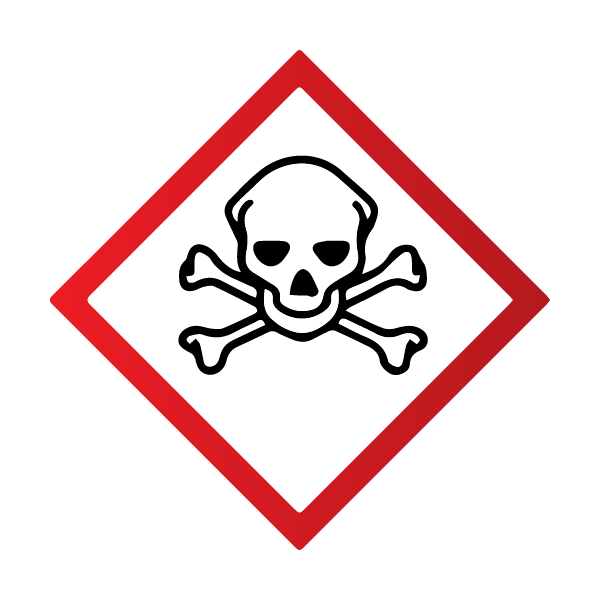
Once a chemical has been classified, the applicable hazard category determines the label content required under GHS. For example, a highly flammable substance may require a flame pictogram and specific warning language, while a chemical classified as acutely toxic may require a skull-and-crossbones symbol and corresponding hazard statements.
These required statements are known as hazard statements and are assigned standardized H-codes for reference purposes. Examples include:
The H-code itself serves as a reference identifier, while the full hazard statement is the text that appears on the label. Because these statements are standardized, they help ensure consistent hazard communication across manufacturers, industries, and international markets.
A GHS-compliant label is designed to communicate a chemical’s hazards clearly and consistently. While specific requirements may vary slightly by jurisdiction, most GHS-based regulations require the same core label elements to appear on hazardous chemical containers.
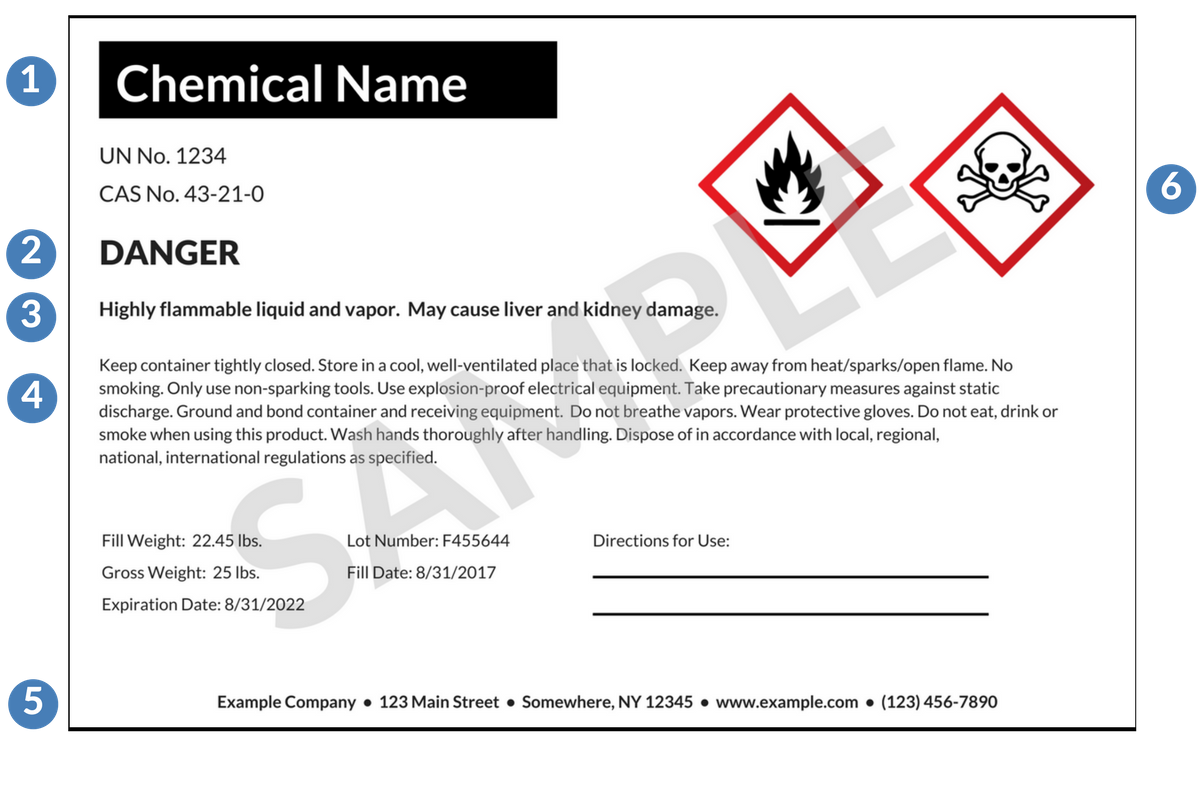
The product identifier is one of the most important elements on a GHS label as it links the container directly to its corresponding SDS. This connection allows workers, handlers, and emergency responders to quickly access detailed information about the chemical’s hazards, safe handling procedures, and emergency measures.
This requirement identifies the actual hazardous chemical inside the container. It is up to the responsible party to decide how they will do this.
Common methods include:
However, the same identifier must be used on the GHS label and the accompanying SDS under section 1.
GHS signal words indicate the relative severity of a chemical’s hazards and help users quickly recognize the level of risk associated with a product.
The GHS system uses only two signal words:
The assigned hazard category determines which signal word must appear on the label. In general, chemicals presenting higher levels of risk require the signal word Danger, while lower-severity hazards use Warning.
A GHS label can display only one signal word. When a chemical meets the criteria for multiple hazards, and those hazards would normally trigger different signal words, the more severe signal word takes precedence.
For example, if one hazard classification requires Warning and another requires Danger, only Danger appears on the label. This hierarchy helps keep labels clear and consistent while ensuring the most serious hazards receive the greatest emphasis.
GHS hazard statements describe the nature and severity of a chemical’s hazards. They explain what can happen if the chemical is mishandled, released, inhaled, swallowed, or otherwise involved in an exposure or incident. Hazard statements are selected based on the chemical’s hazard classification. Once a substance or mixture is classified into the applicable hazard classes and categories, those classifications determine which standardized hazard statements must appear on the label.
Unlike signal words, hazard statements do not follow a hierarchy where one statement can replace another. All applicable hazard statements must be included unless the governing regulation allows specific wording adjustments or combinations. To improve readability and reduce repetition, some hazard statements may be combined on the label, provided the meaning is preserved and the required hazard information remains clear. This flexibility is especially useful when several classifications produce similar or overlapping statements.
In practice, hazard statements connect the classification step to the finished label. They translate technical hazard categories into standardized language that workers, handlers, and emergency responders can understand quickly.
While hazard statements explain the risks associated with a chemical, precautionary statements tell users what actions to take to minimize those risks. They provide practical guidance for safely handling, storing, responding to, and disposing of hazardous chemicals.
GHS precautionary statements fall into four categories:
These statements help workers understand not only the hazards present but also the measures needed to protect themselves, others, and the environment. Since a single chemical may require multiple precautionary statements, GHS allows certain statements to be combined when doing so improves readability without changing the meaning.
In some cases, a forward slash (/) may be used within a statement to indicate alternative exposure routes or conditions. For example, the statement “Do not breathe dust/fume/gas/mist/vapors/spray” communicates that users should avoid inhaling any of the listed forms the chemical may take.
Regulations also permit some precautionary statements to be consolidated or abbreviated when there is overlap between requirements. However, any modifications must preserve the intended safety guidance and ensure the label continues to communicate clear, actionable handling instructions.
Every GHS label must identify the responsible party for the chemical. This information allows users, distributors, regulators, and emergency responders to determine who is accountable for the product and where to obtain additional safety information when needed. The label should include the responsible party’s name, address, and telephone number. Depending on the supply chain, the responsible party may be the manufacturer, importer, or distributor responsible for placing the product on the market.
Including accurate contact information is important for operational and regulatory purposes. It provides a clear point of contact for questions about the product, access to SDS, incident reporting, and other safety-related inquiries.
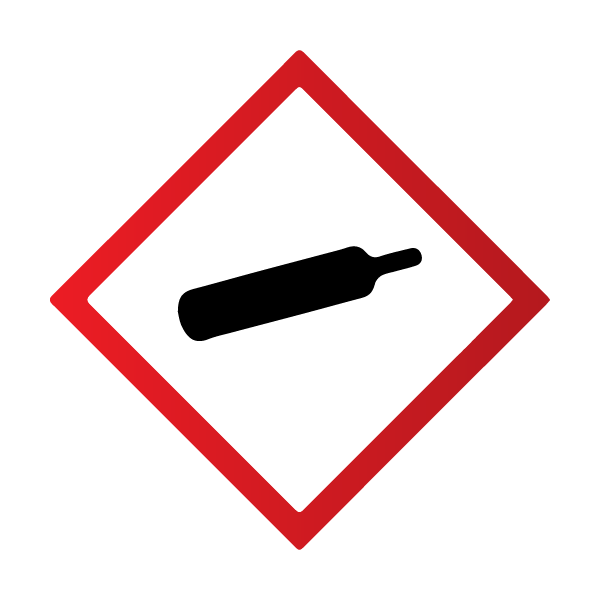
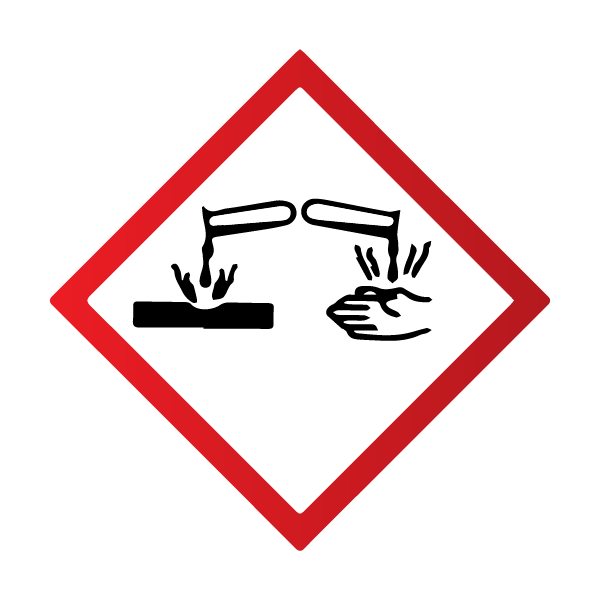
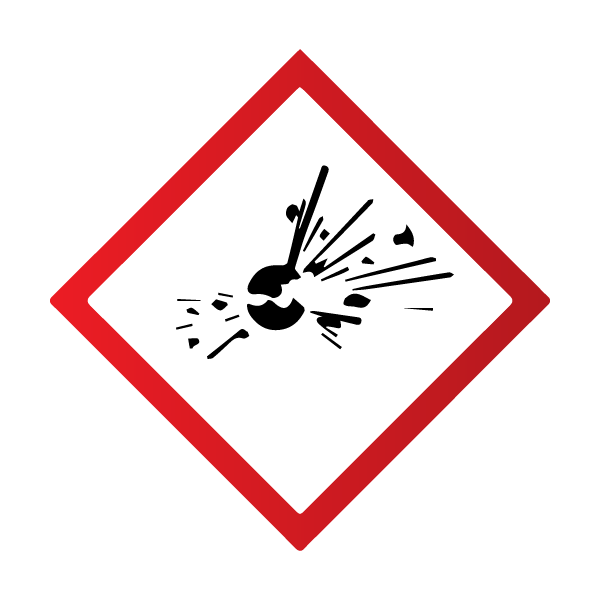
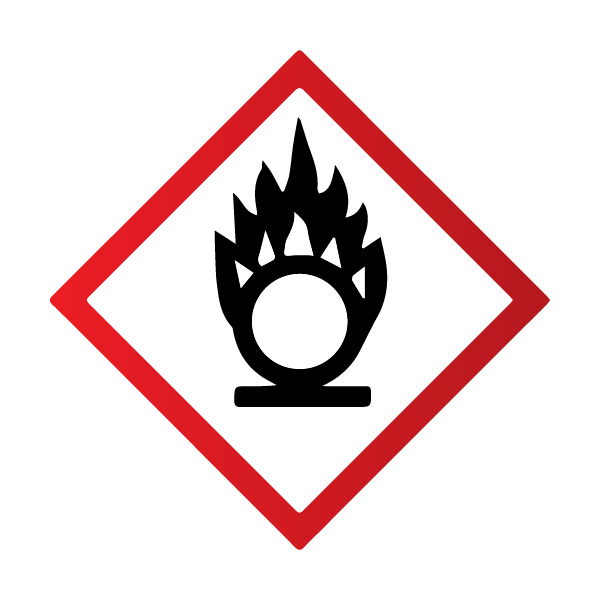
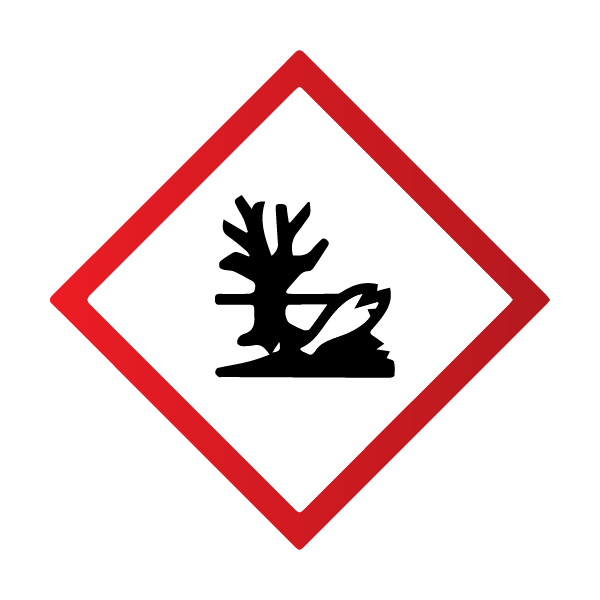
GHS pictograms use standardized symbols to quickly communicate the type of hazard associated with a chemical. Under OSHA’s Hazard Communication Standard, pictograms must appear as a black hazard symbol on a white background, framed by a red diamond border.
One important OSHA distinction is that the environment pictogram is not mandatory under OSHA HazCom labeling requirements, as OSHA regulates workplace health and safety, not environmental protection. However, it may still appear on labels when required by another jurisdiction or included as supplemental information.
Pictograms should be presented clearly and consistently so users can identify hazards at a glance. They should not be distorted, obscured, or replaced with alternate artwork, and the required red diamond format should remain intact.
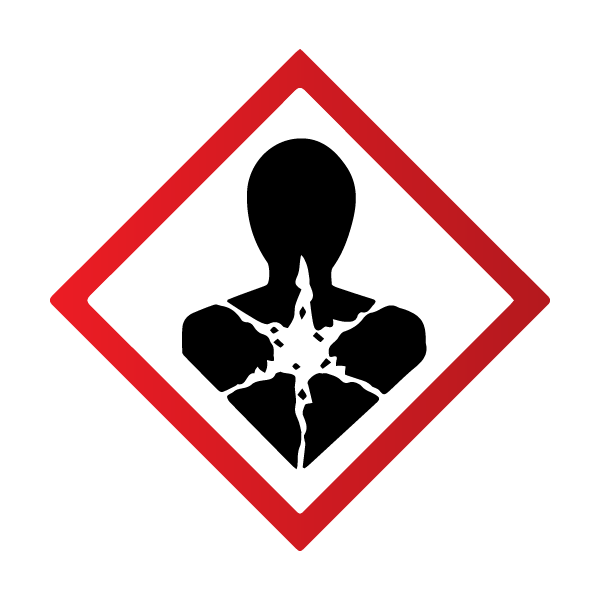
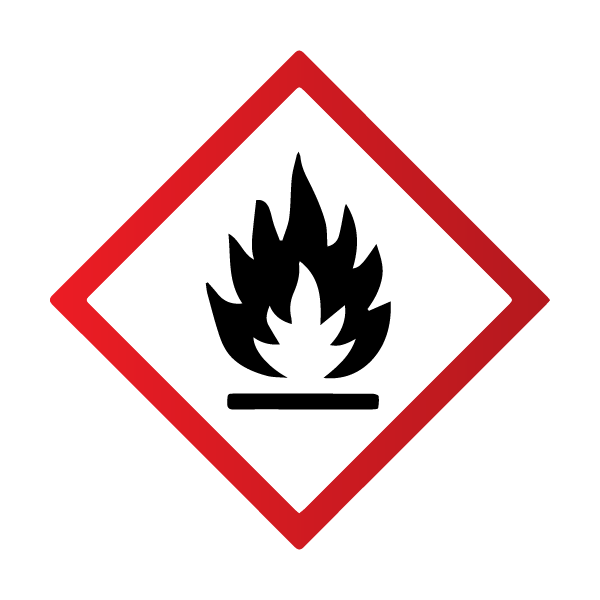
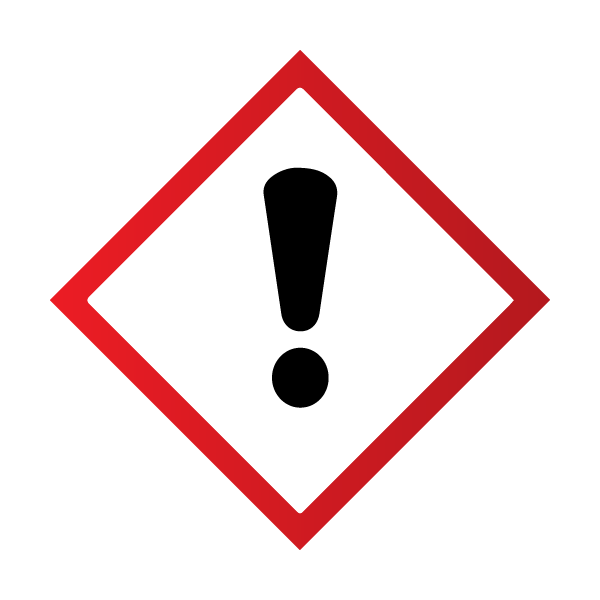
In addition to the required GHS label elements, manufacturers may include supplemental information that helps users identify, handle, or manage a product more effectively. This additional content can support workplace operations, inventory control, and safe product use when presented appropriately.
Common examples of supplemental information include:
While GHS allows supplemental information, there are important limits. Any additional content must not contradict, obscure, or diminish the required hazard communication elements on the label. Hazard pictograms, signal words, hazard statements, precautionary statements, product identifiers, and responsible-party information must remain clear, prominent, and easy to read.
When adding supplemental details, organizations should ensure that the information supports the label’s primary purpose: communicating hazards and safe handling requirements. Well-designed labels can include useful operational information without creating confusion or competing with required safety content.
GHS labeling requirements can vary depending on whether a hazardous chemical remains in its original container or has been transferred to another container for workplace use. Understanding the distinction between primary and secondary containers helps organizations apply the correct labeling requirements while maintaining compliance and workplace safety.

Primary containers are the original containers used by manufacturers, importers, or distributors to package and ship hazardous chemicals.
Common examples include:
Primary containers must display all applicable GHS label elements, including the product identifier, signal word, hazard pictograms, hazard statements, precautionary statements, and responsible-party information.
Supplier labels should not be removed, altered, or defaced. If a label becomes damaged or must be replaced, the replacement label should contain the same required hazard information so users can continue to identify the product and its risks accurately.
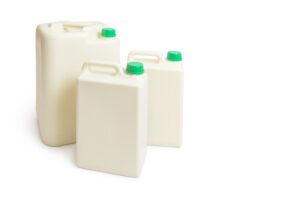
Secondary containers are containers into which a hazardous chemical has been transferred from its original package. Examples include spray bottles, jars, small process containers, and other workplace-use containers.
In most cases, secondary container labeling should identify the chemical and communicate its hazards.
Employers have flexibility in how they meet this requirement and may use GHS-compliant labels, supplier labeling systems, or other workplace labeling methods, provided the system effectively communicates hazard information and is applied consistently. A common exception applies to immediate-use containers.
A secondary label may not be required when:
Once a transferred chemical will be stored, shared, or used beyond the immediate task, the secondary container labeling should be marked according to the employer’s established hazard communication procedures. This is especially true for shrink sleeves.
Regardless of the labeling method used, the goal remains the same: ensuring workers can quickly identify the contents of a container and understand the associated hazards.
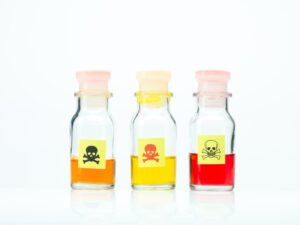
Small containers present one of the most common challenges in GHS labeling. When bottles, vials, tubes, or other compact packages have limited surface area, fitting all required hazard communication elements onto a single label can become difficult.
Even when space is limited, labels must remain legible and provide users with access to the required hazard information.
Common challenges include:
In the United States, OSHA does not provide a broad exemption from hazard communication requirements simply because a container is small. Hazard information must still accompany the product, and users must be able to access the applicable label elements and safety information. As a result, organizations must carefully balance available label space with the need to communicate hazards clearly and maintain compliance.
To address space limitations, manufacturers often use specialized label constructions that allow additional information to be included without sacrificing readability.
Common solutions include:
These formats allow companies to include required GHS information while maintaining a practical label size for small container labeling. When selecting a labeling solution, the goal should be more than simply fitting information onto the package. The label must remain durable, legible, and accessible throughout storage, transportation, and use so workers can easily identify hazards and follow the appropriate safety precautions.
When small containers cannot display all required GHS label information directly on the container, the outer packaging becomes an important part of the overall labeling system. The complete hazard information must remain available and easy to access.
Outer packaging for small containers should clearly provide:
Users should be able to identify the chemical, understand its hazards, and locate the complete label information without confusion. The complete label on the outer package should never be removed, covered, or allowed to become unreadable. Even if a small inner container uses abbreviated or limited labeling, the overall labeling system must still preserve full access to the required hazard information.
Although GHS provides a common framework for chemical labeling, countries often adopt their own rules for small container labeling. These differences typically involve when abbreviated labels may be used and which label elements can be omitted due to space limitations.
Some examples include:
These examples illustrate an important compliance reality: GHS requirements for labeling are aligned across many markets, but they are not identical. Small-container exemptions, size thresholds, and labeling allowances can vary significantly by jurisdiction.
For companies that manufacture, distribute, or export hazardous products internationally, local requirements should always be verified separately. A label design that complies in one country may require modifications before it can be used in another market. This is especially true of pressure-sensitive labels.
Hazard communication requirements continue to evolve as OSHA updates the HazCom to maintain alignment with newer editions of the GHS. For manufacturers, importers, distributors, and label designers, the most important consideration is not tracking historical proposals, it is ensuring labels, classifications, and SDS reflect current requirements.
Recent OSHA updates have focused on improving alignment with newer GHS revisions, increasing consistency between U.S. requirements and international labeling systems.
These changes affect areas such as:
For many organizations, the practical impact is the need to periodically review classifications, SDSs, and label content to confirm they remain accurate and compliant.
Many online resources still reference proposed changes, transition periods, or compliance deadlines that are no longer current. Relying on outdated guidance can result in labels that fail to reflect today’s requirements or miss important classification updates. When evaluating hazard communication information, always verify that the source reflects the current OSHA HazCom standard and the latest applicable GHS alignment adopted by your jurisdiction.
Organizations responsible for chemical labeling should regularly review:
The most effective compliance strategy is ongoing verification. Rather than relying on older interpretations or historical timelines, label teams should ensure their labeling systems reflect current OSHA requirements and the latest hazard information available for each product.
A GHS label typically includes the product identifier, supplier or responsible-party contact information, signal word, hazard pictograms, hazard statements, and precautionary statements.
Not automatically. Small containers still need to provide access to required hazard information. When space is limited, manufacturers may use solutions such as peel-and-reseal labels, fold-out labels, booklet labels, or clearly labeled outer packaging.
No. GHS is a global framework, while OSHA HazCom is the U.S. regulation that adopts and applies parts of that framework. Other countries also implement GHS differently, so labels should be reviewed against the rules for each market.
No. If multiple hazards trigger different signal words, only the more severe signal word, Danger, should appear.
Yes. Supplemental information may be added when useful, such as directions for use, fill dates, or storage details. However, it must not contradict, obscure, or distract from the required hazard information.
Creating compliant chemical labels is easier when hazard communication requirements are built into the labeling process from the start. Before approving labels for production, use the following checklist to help reduce compliance risks and improve label performance in the field.
Verify the chemical classification. Confirm that hazard classes and categories are current and supported by the latest available safety data.
Match the label to the SDS. Ensure the product identifier on the label matches the identifier used in Section 1 of the Safety Data Sheets (SDS).
Confirm all required label elements are included. Review the product identifier, signal word, hazard pictograms, hazard statements, precautionary statements, and responsible-party information.
Check pictograms and signal words for accuracy. Verify that the correct symbols and signal word are used based on the product’s hazard classifications.
Review hazard and precautionary statements. Make sure all applicable statements are present and that any combined wording remains clear and compliant.
Evaluate small-container requirements. Confirm that limited-space containers provide access to all required hazard information through appropriate label formats or outer packaging.
Validate primary and secondary container labeling procedures. Ensure workplace labeling practices are consistent and aligned with your hazard communication program.
Assess label durability. Select materials and adhesives capable of withstanding expected storage, transportation, handling, moisture, chemicals, and environmental conditions.
Verify market-specific requirements. If products are distributed internationally, review local regulations to confirm compliance with country-specific GHS implementations.
Perform a final compliance review before printing. Check all label content, formatting, and artwork to ensure information is accurate, legible, and up to date.
A systematic review process helps organizations improve label accuracy, maintain compliance, and ensure workers have access to the hazard information they need to handle chemicals safely.
Effective chemical labeling requires more than simply placing required information on a package. Teams must balance OSHA and GHS compliance guide requirements with label durability, available container space, operational workflows, and the demands of domestic and international distribution.
For organizations managing hazardous products, specialty packaging, small-container formats, or multi-market compliance requirements, working with an experienced label manufacturer can help reduce risk and streamline implementation. Expertise in durable label materials, booklet and peel-and-reseal constructions, and complex regulatory labeling projects can be especially valuable when standard label formats are not sufficient.
Premium Label & Packaging Solutions is your labeling partner. We help regulated brands develop labeling solutions that support compliance, readability, durability, and operational efficiency across a wide range of applications.
© 2024 Premium Label & Packaging Solutions | PLPS Sales Terms and Conditions