The performance of your packaging can be crucial not only for protecting your products, but also for attracting customers, meeting your sustainability goals, and ensuring regulatory compliance. That even includes the label facestock materials you choose, and it’s critical to understand your options as well as what may or may not make them appropriate for the industry you serve. This is especially true if you work in highly regulated sectors such as the healthcare, beauty, and wellness industries. Knowing the differences between various label material types as well as flexible packaging and shrink films can make a big difference for your products and your company.
Adhesive labels are most often made of either paper or a plastic film material. Depending on the application, each type has its own list of strengths and weaknesses:
Pressure-sensitive labels feature an adhesive backing, allowing them to be applied directly to the product’s packaging without requiring an application of adhesive. These can be made of paper or film, providing you with some flexibility in your choice. You also have the option to choose the level of adhesion desired, whether permanent or temporary. For example, temporary labels may be needed for certain pharmaceutical products that require detailed regulatory or dosage information so consumers can peel it away from the packaging and unfold it to get more information.
Although not quite the same as labels, shrink sleeves are another popular method for labeling packaging. These plastic materials wrap around the product and are shrunk to fit using heat. You have a number of options with shrink sleeve materials, including:
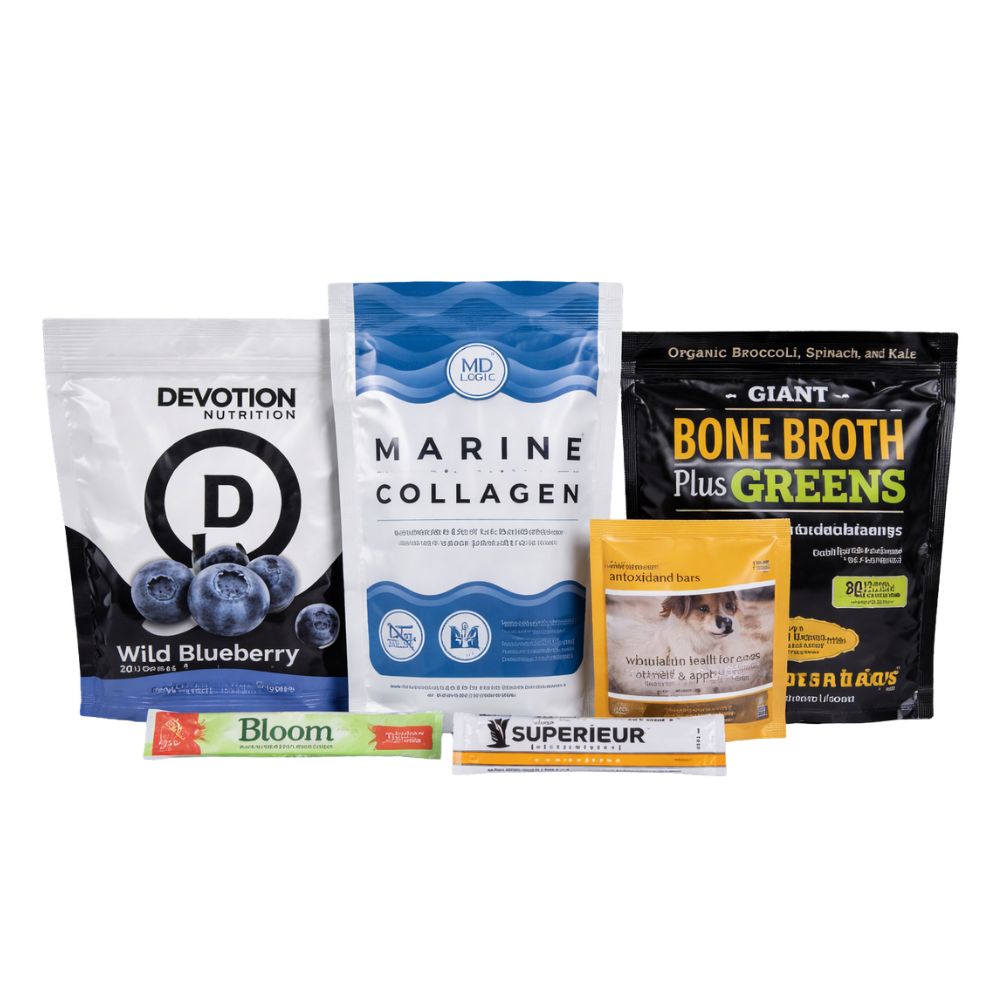
Many company also choose flexible packaging materials for the wide range of customization options they provide while also being cost-effective. When producing bags, pouches, or any other type of flexible packaging for products such as supplements, wellness powders, medical devices or functional foods, you can choose from a variety of plastic films including:
In many cases, these materials form the outer layer of flexible packaging, encapsulating an inner layer made from PE for effective heat sealing and moisture barrier properties. Depending on the product, flexible packaging also may feature a middle layer made of foil or another material that serves as extra protection.
With sustainability becoming a larger concern for consumers and manufacturers, a number of eco-friendly options are emerging for specialty labeling materials as well as packaging. From recyclable shrink sleeves to biodegradable films and post-consumer content, next-generation solutions continue to be introduced to the market.
For example, PLPS offers our Earth+ line of eco-friendly labeling solutions and packaging materials, which have been designed to provide the highest levels of functionality, aesthetics, and versatility. At the same time, our sustainable label materials and packaging options offer recyclability that helps our clients meet their sustainability goals and reduce their environmental impact in a very real and significant way.
Choosing the right materials for your custom labels or packaging comes down to understanding factors such as:
How Different Industries and Markets Use Materials
It should come as no surprise that the choice of label and packaging materials can differ based on the specific needs of the industry. For example, some of the most unique concerns among manufacturers in different verticals include:
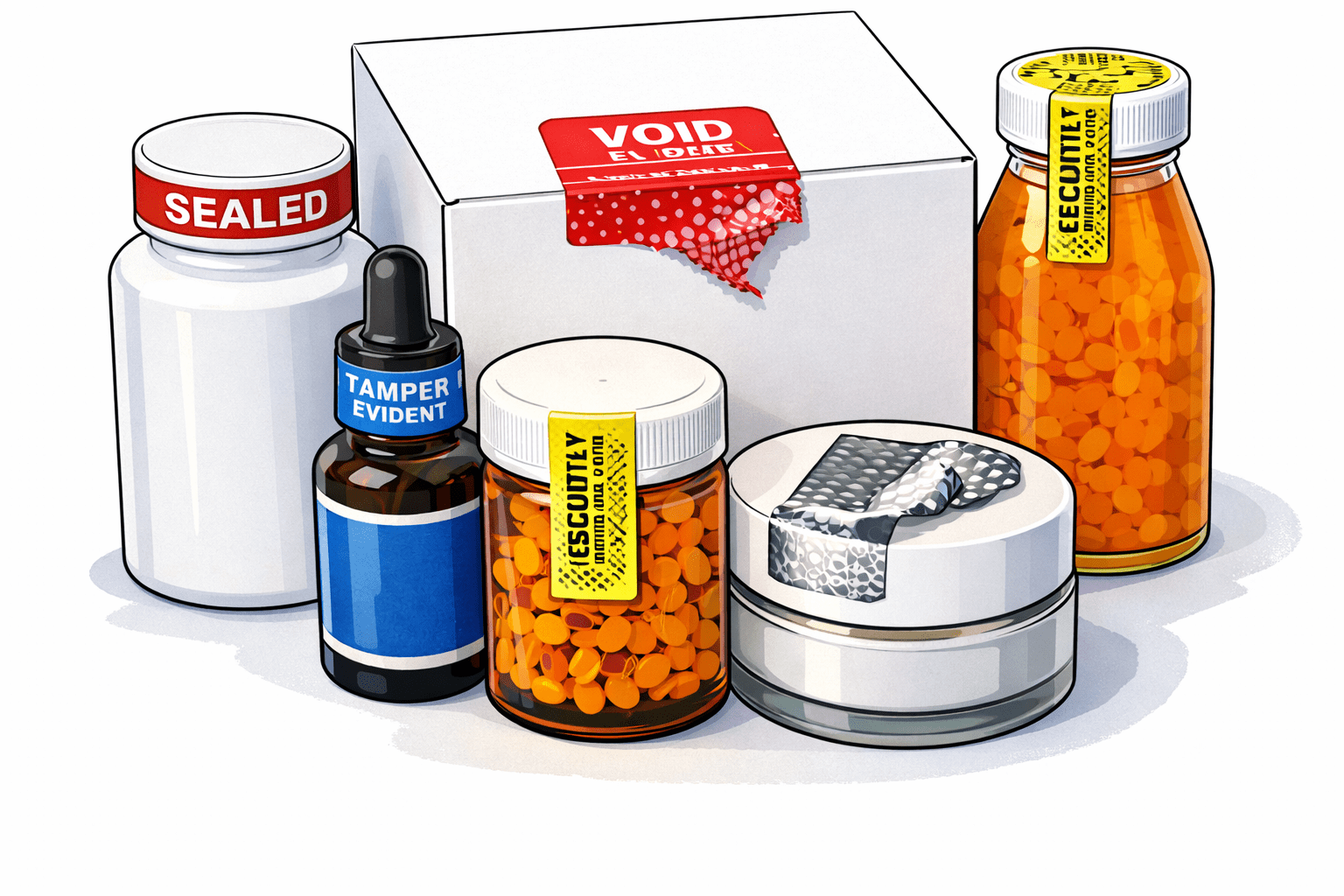
Labels and packaging can be customized to feature specialized coatings or adhesive patterns. In the case of the former, these are typically applied to strengthen the scuff resistance of the label or packaging or to create a certain aesthetic appeal to consumers. Different adhesive patterns make it possible for consumers to reseal packaging, open and close windows on the package, or offer a different tactile experience when handling the product.
The material you choose for your labelling or packaging has to provide the perfect fit in terms of performance, compliance, and sustainability. Partnering with an experienced supplier is critical for ensuring you make the right choice. PLPS has the expertise and experience in pressure-sensitive labels, shrink sleeves, and flexible packaging to guide you in the right direction, so reach out and get in touch with our team today to learn more about how we can help you understand .
© 2024 Premium Label & Packaging Solutions | PLPS Sales Terms and Conditions